Art & Words
Borges's vision unfolded!
Andres Borges is a multifaceted artist whose creative expressions span paintings, poetry, photography, and design. His paintings often blend vibrant colors with emotive themes, inviting viewers into a world of exploration and introspection. In his poetry, Borges captures the essence of human experience, weaving words that resonate with deep emotion and thought. His photography reflects a keen eye for detail, showcasing the beauty in everyday moments while telling compelling stories through each image. Additionally, his design work merges functionality with artistic flair, creating aesthetically pleasing yet practical pieces. Through these various mediums, Andres Borges continues to inspire and provoke thought, leaving a lasting impact on those who encounter his art.
Paintings
"Explore the works that reflect my deepest thoughts."
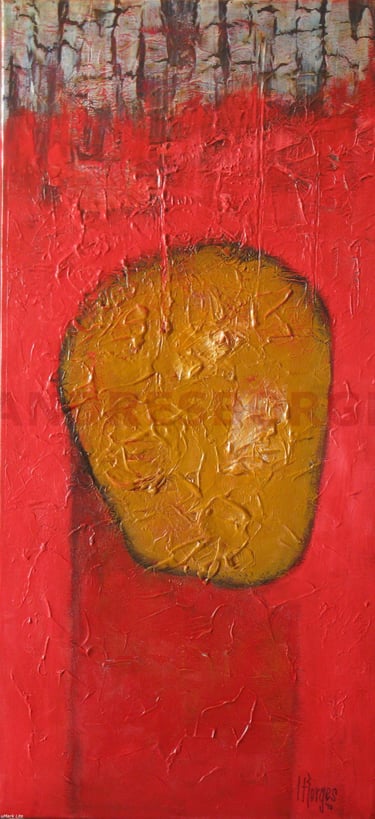
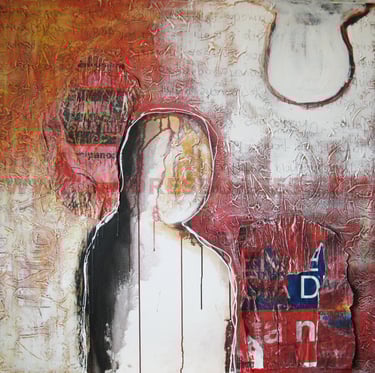
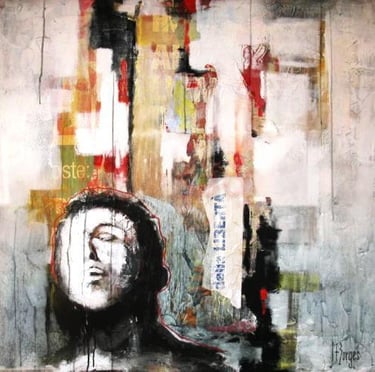
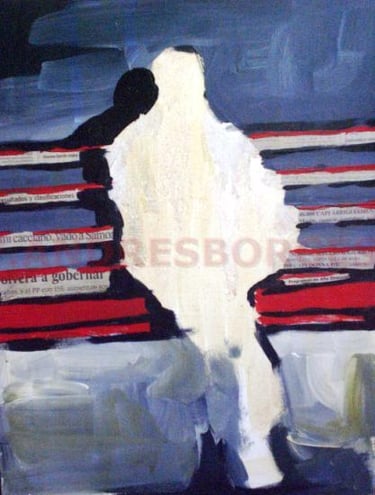
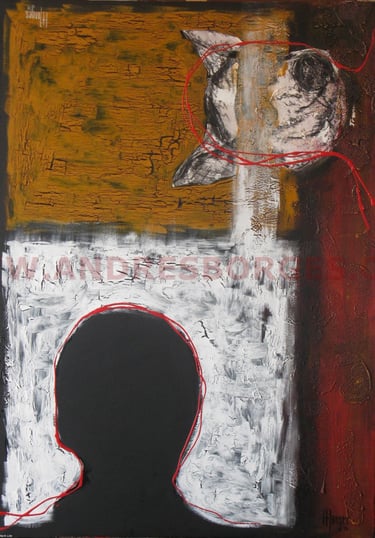
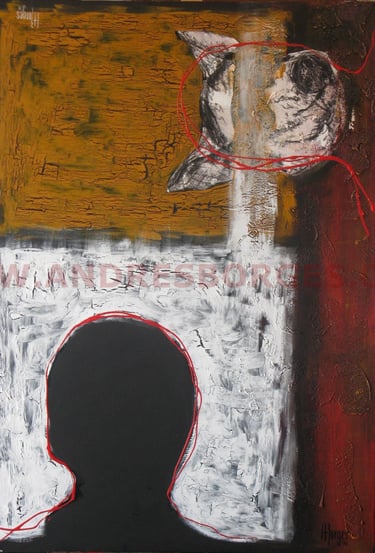
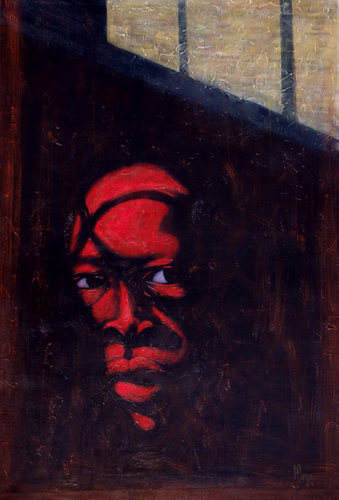
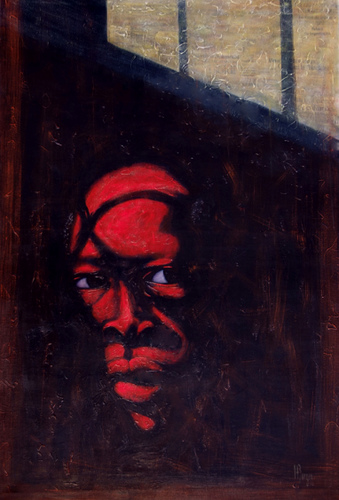
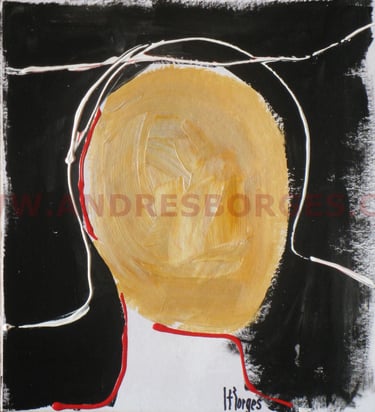
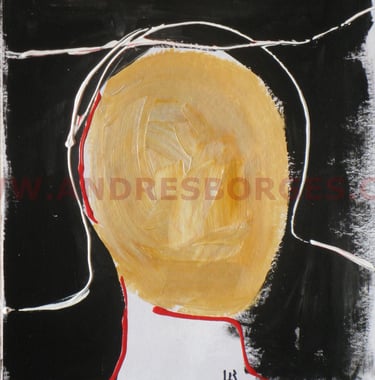
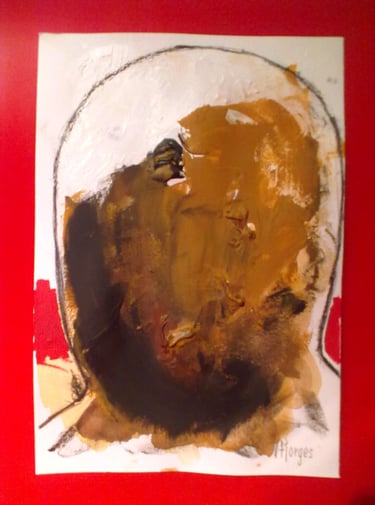
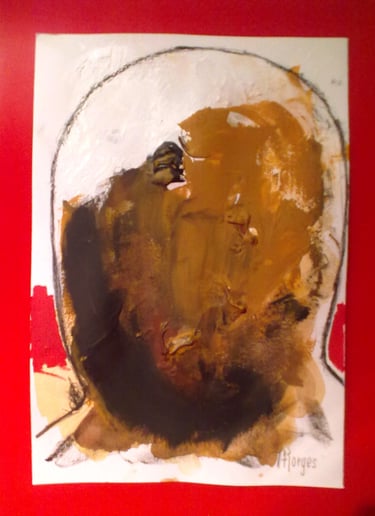
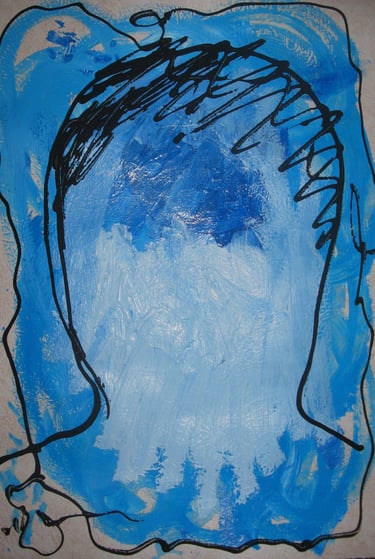
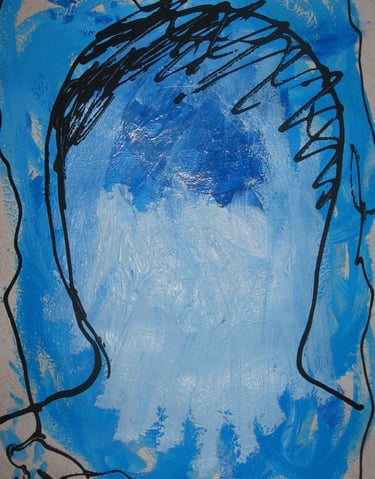
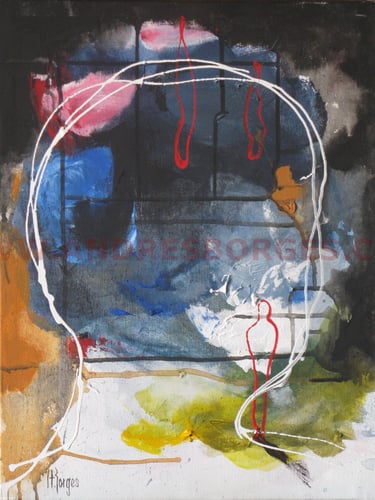
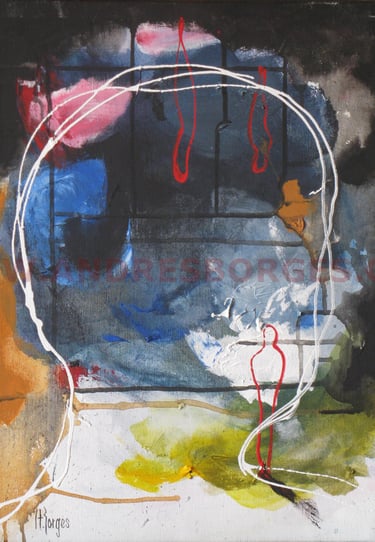
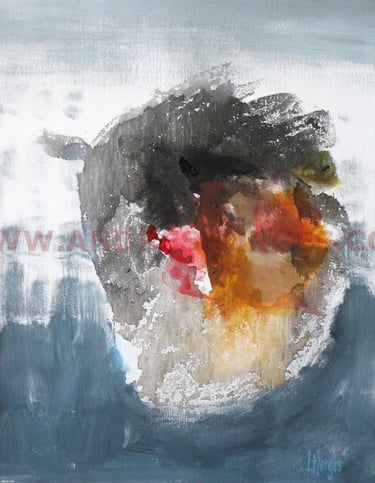
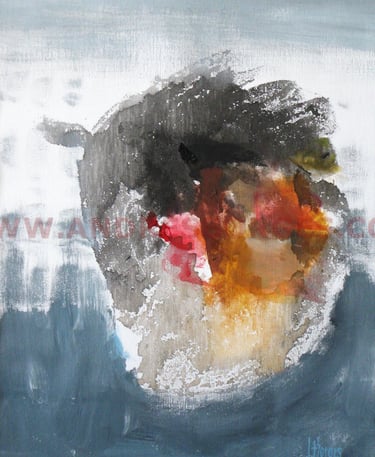
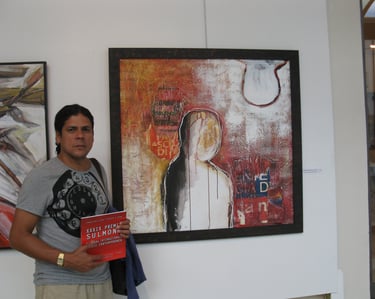
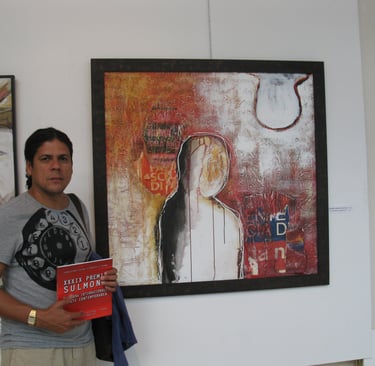
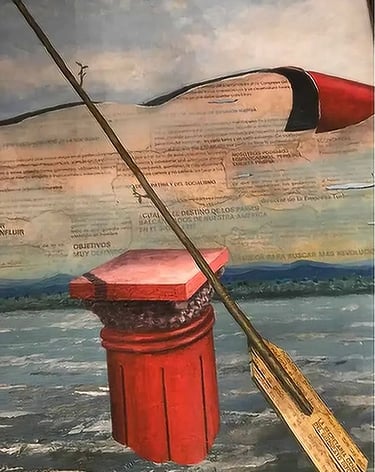
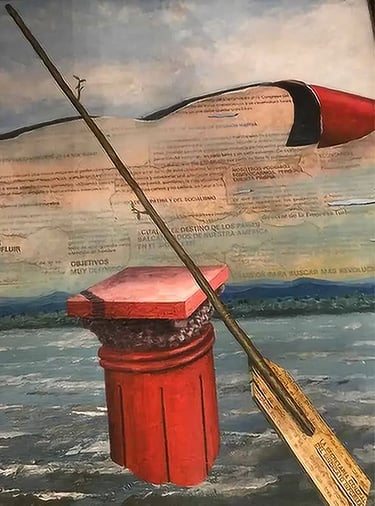
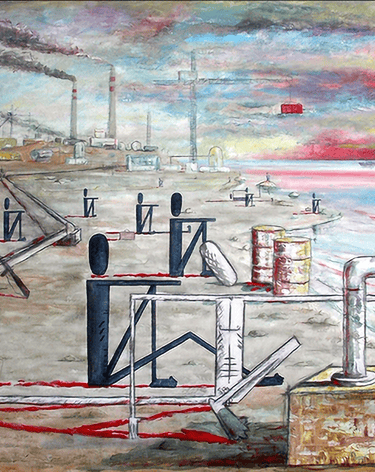
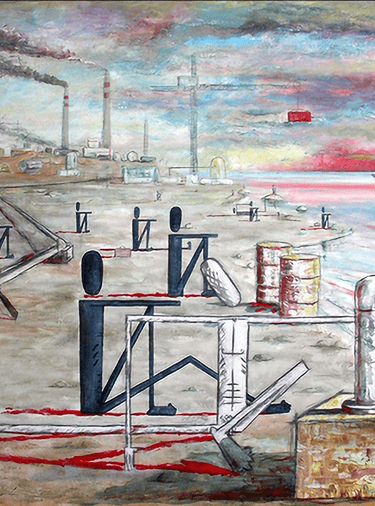
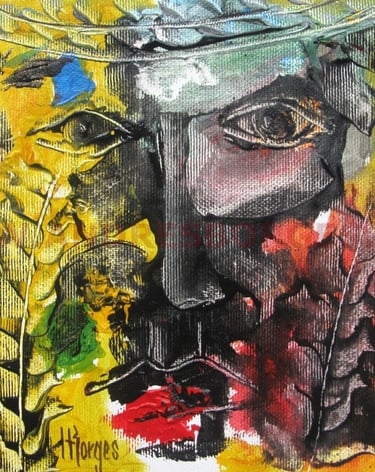
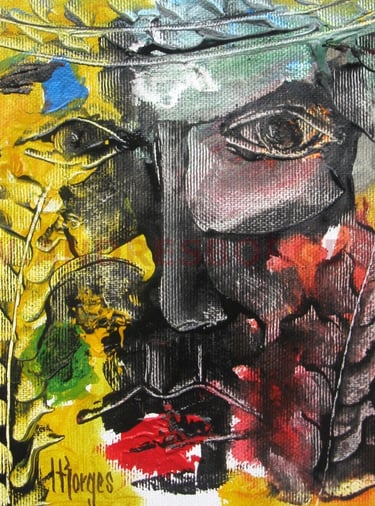
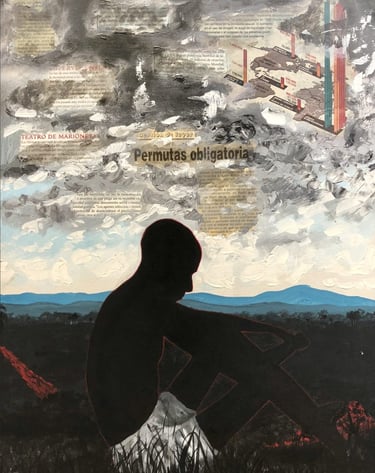
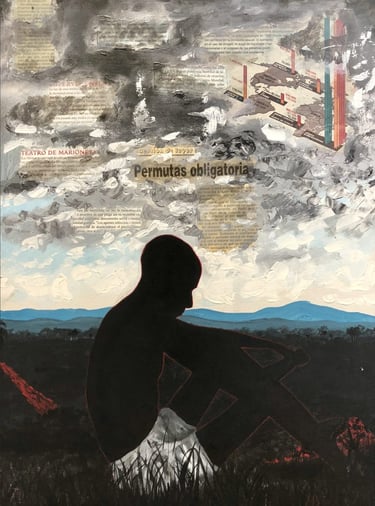
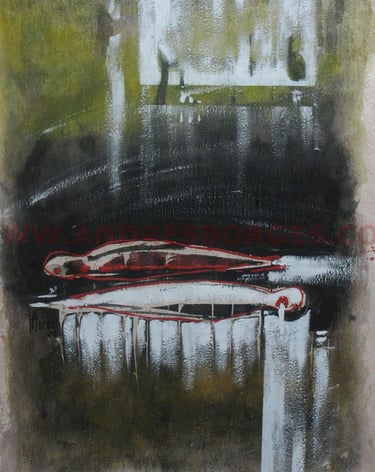
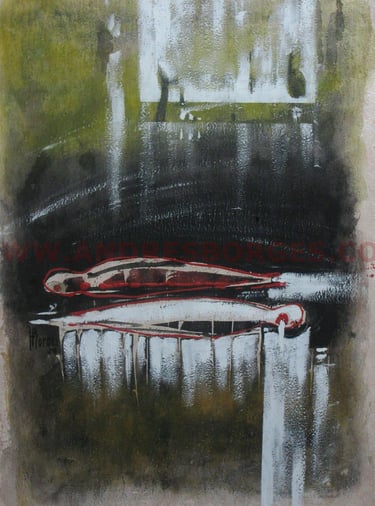
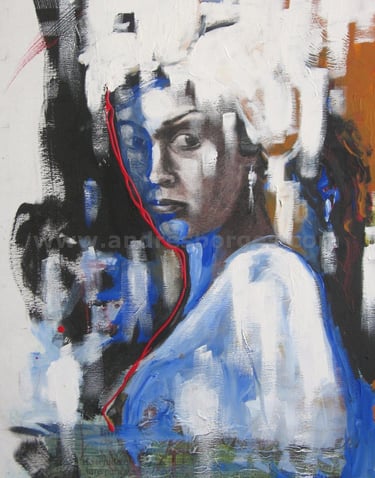
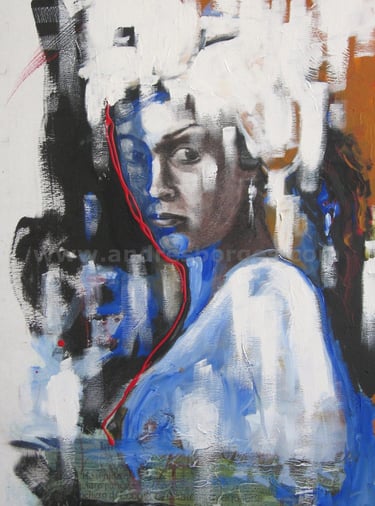
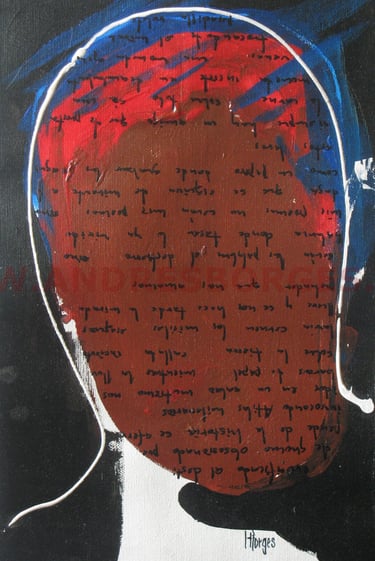
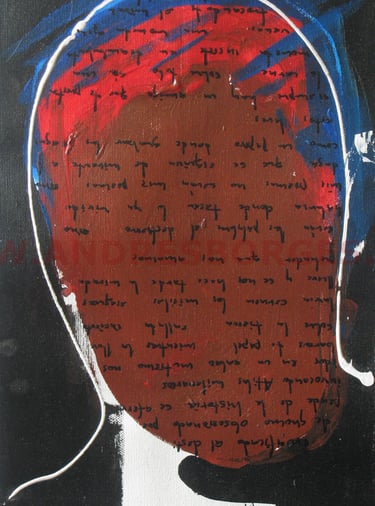
Borges, in both his Silhouettes series—an evocative journey that began in the 1990s—transforms the human form into a vessel of introspection and societal reflection. Through faceless figures and fragmented bodies, he captures the essence of non-communication, where voices are lost in a world of silent disconnect, and thoughts spiral into deep internal contemplation.This ongoing series speaks to the tension between presence and absence, where identity is stripped down to its raw emotional core. The abstraction is not an erasure, but rather an amplification of human complexity—inviting viewers to navigate the psychological landscapes of solitude and collective detachment. Borges's portraits do not depict individuals; they evoke the universal experience of navigating a world overwhelmed by information yet devoid of true connection.
→
→
→
EL DULCE ABRAZO DE LAS TUMBAS
No hay trueque de luz en la memoria
Son gualdos los rostros que conozco
zarpan por las dudas al dulce abrazo
de las tumbas
piruetas al mismo soliloquio de los años
Por la escarpa rauda de los años
la sodomita ciudad sigue sus trotes
se adueña de mi casa moribundos gestos
de acre ayuno
el cuadro de John Lennon descuelga sus ojos
censura su epitafio y el niño de mis manos
se pregunta qué oculta en la barba Santa Claus
Son gualdos los rostros que conozco
al dulce abrazo de las tumbas se dislocan
El librero olvida sus heroicas agallas celestiales
Inquisidora es la danza de los dioses
Vesánico antropófago es el tiempo.
Andres Borges
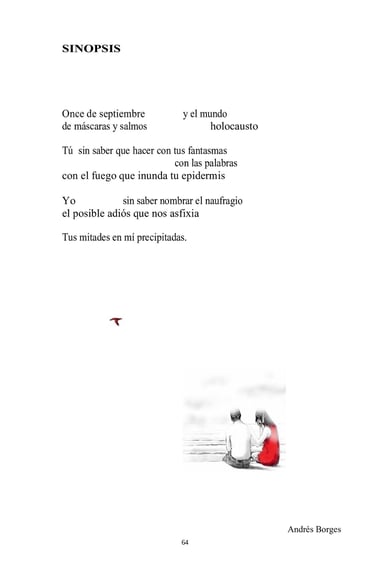
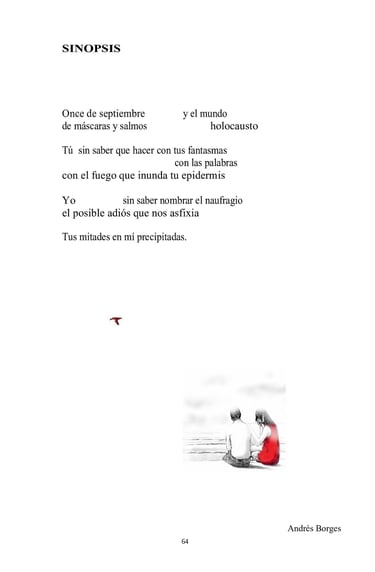
SINOPSIS
Once de septiembre y el mundo
de máscaras y salmos holocausto
Tú sin saber que hacer con tus fantasmas
con las palabras
con el fuego que inunda tu epidermis
Yo sin saber nombrar el naufragio
el posible adiós que nos asfixia
Tus mitades en mí precipitadas.
Andres Borges
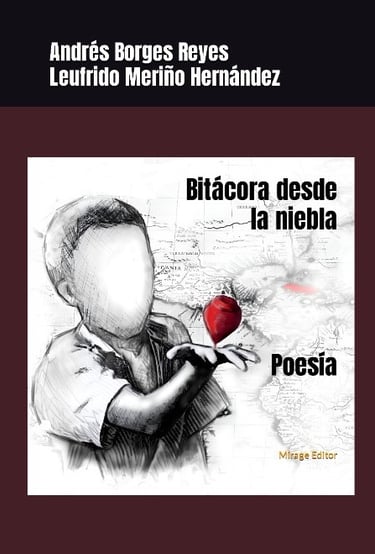
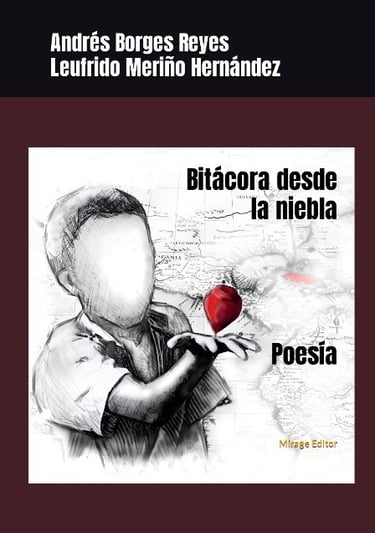
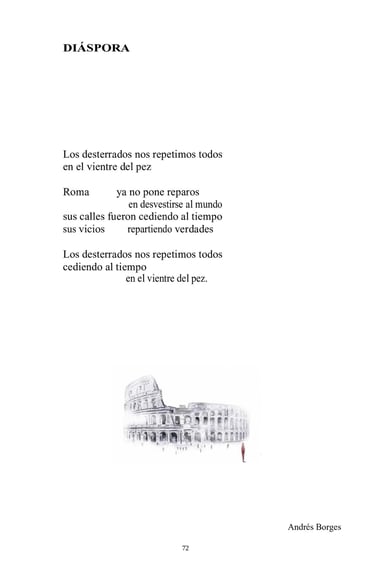
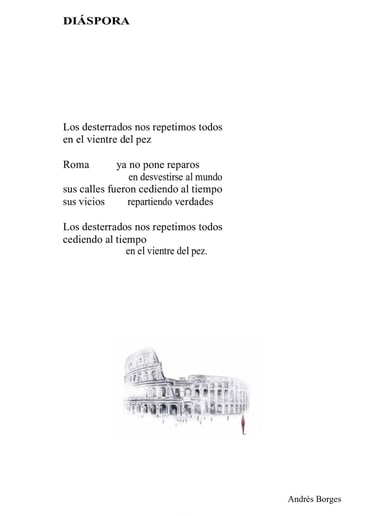
“Bitácora desde la niebla” is a powerful poetic collaboration between Andres Borges and Leufrido Meriño that bridges the emotional boundaries of Rome and Havana. Through this dual lens, the book unearths the echoes of migration—its heartbreak, resilience, and quiet reckonings—with striking lyrical depth. More than just a collection of poems, it is a dialogue between geographies, memories, and the elusive present. A beautifully resonant exploration of displacement and belonging.
Poetry
"The Emotional shifts and inner movements that guide my pen."
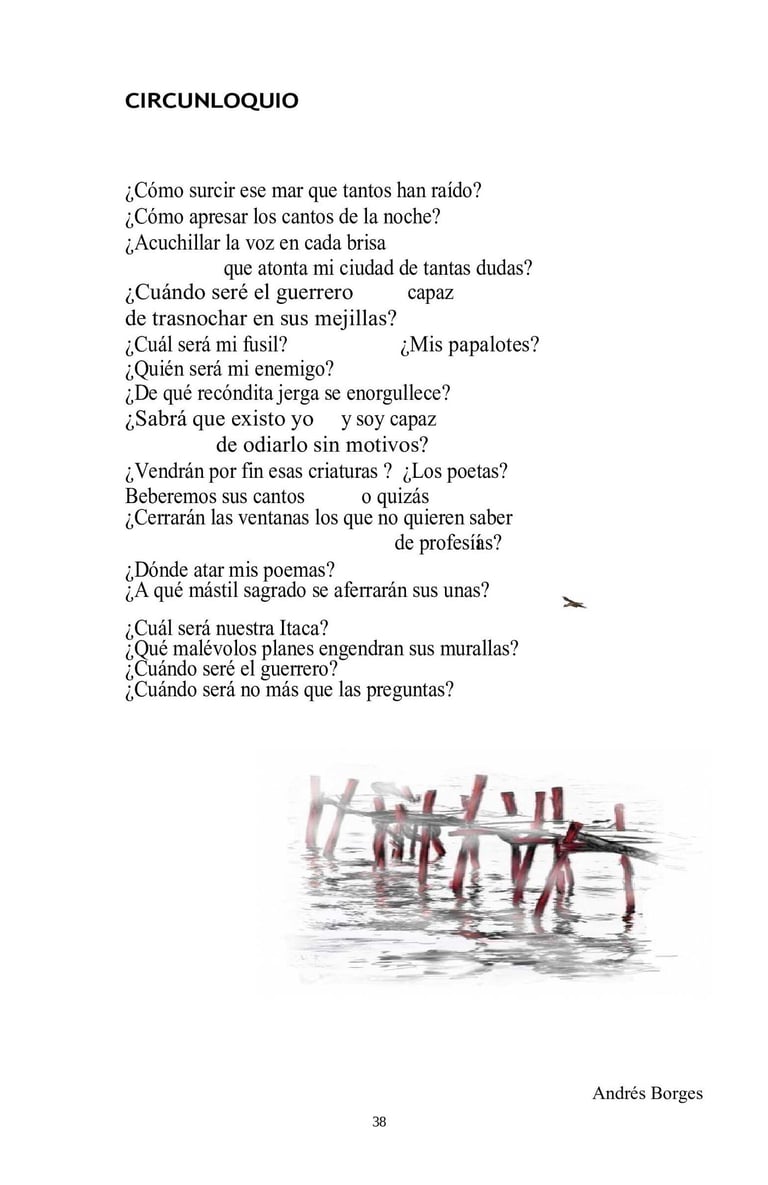
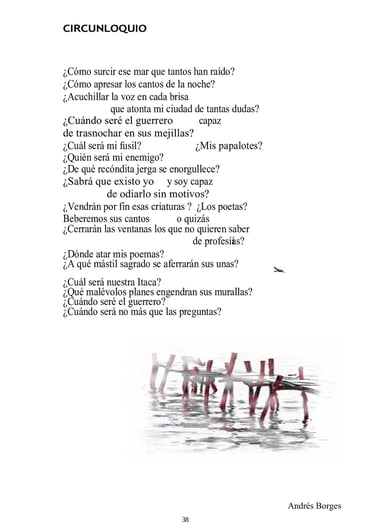
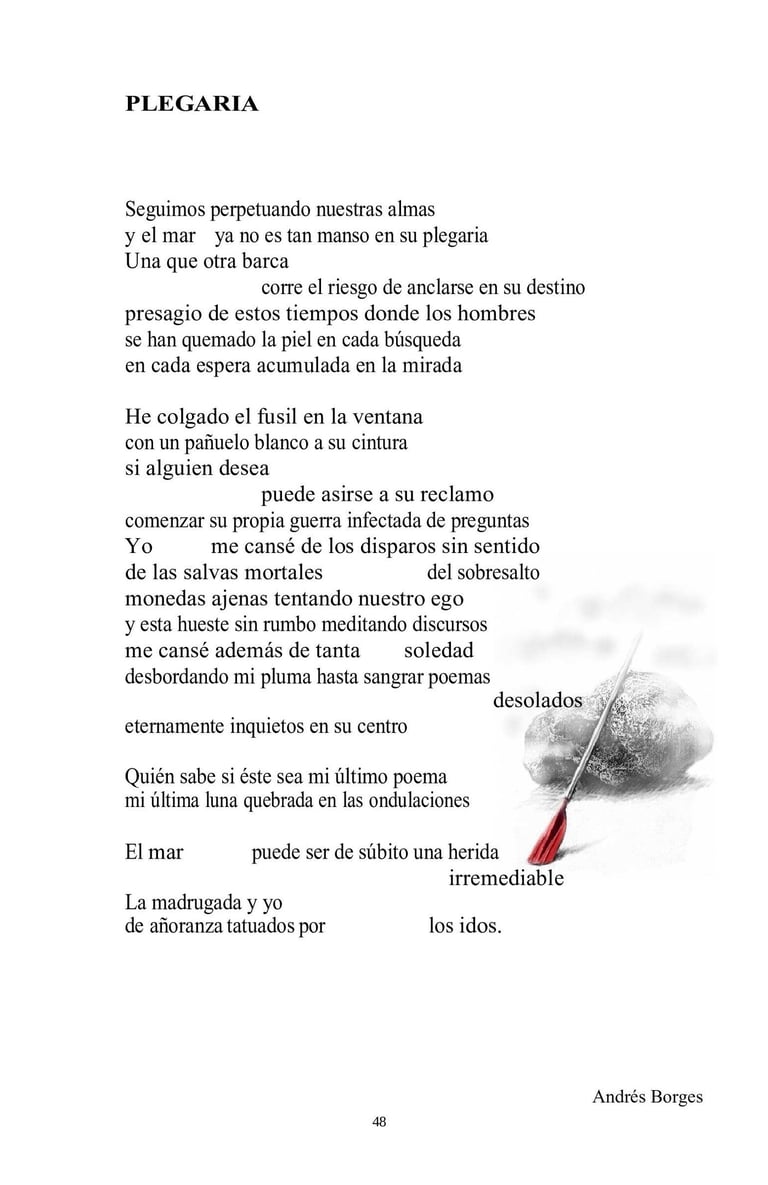
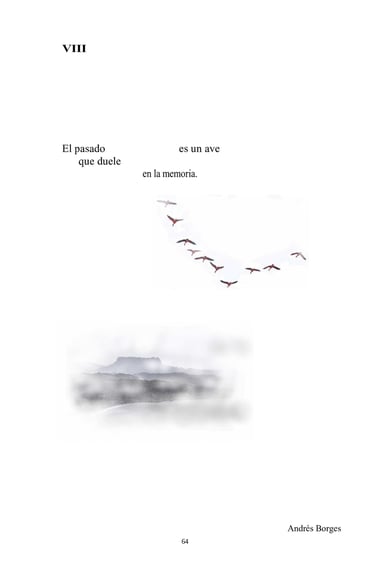
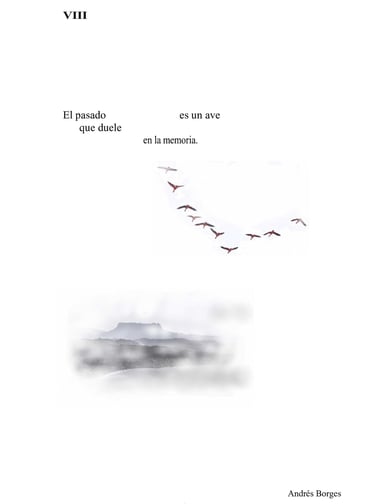
In Borges’s poetry, memory flickers like a candle in the dark—fragile yet insistent. His verses explore dislocation, mortality, and myth with an unflinching gaze, inviting readers into shadowy corridors of the self. With language that bruises and illuminates, Borges crafts a lyrical space where absence becomes presence, and silence speaks.
"Bitàcora desde la niebla",
"Shadows"
Photography
Photography as a form of visual storytelling.
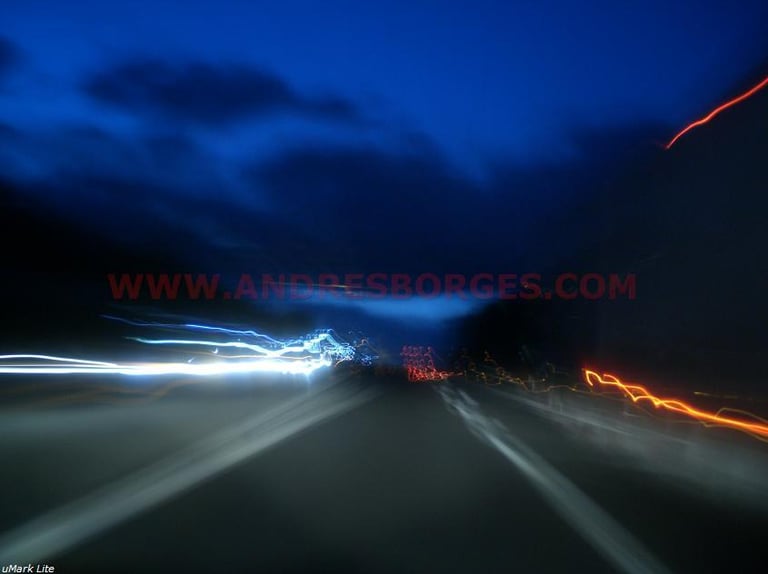
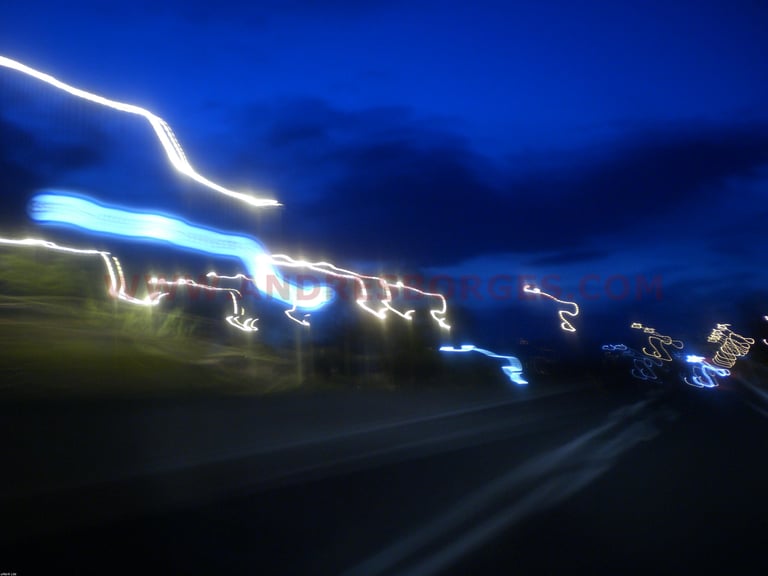
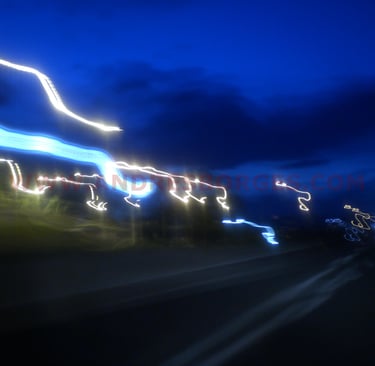
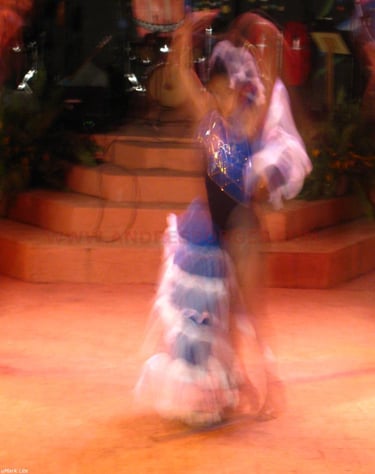
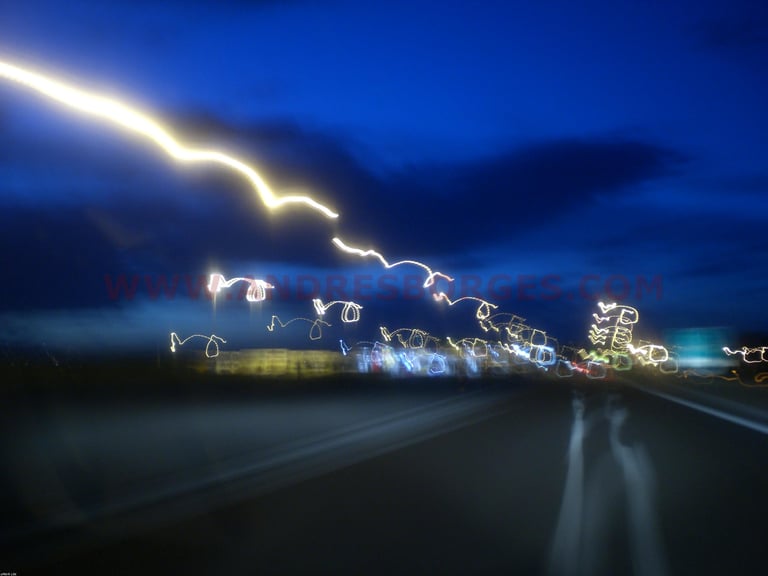
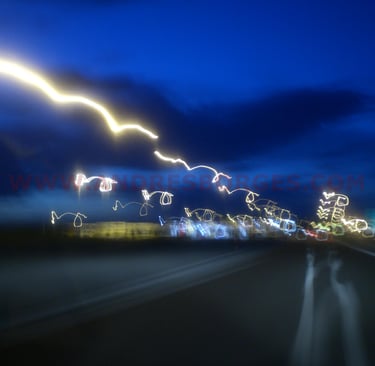
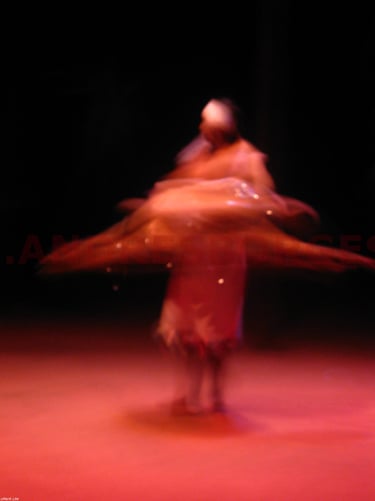
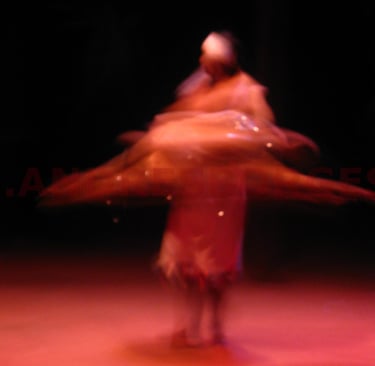
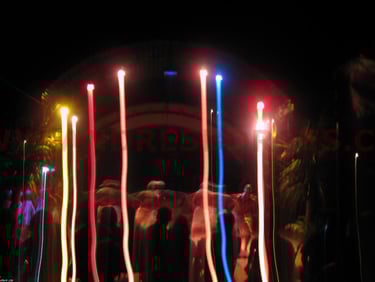
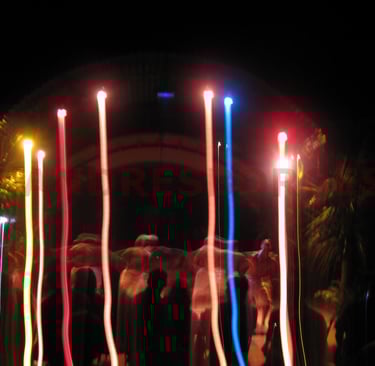
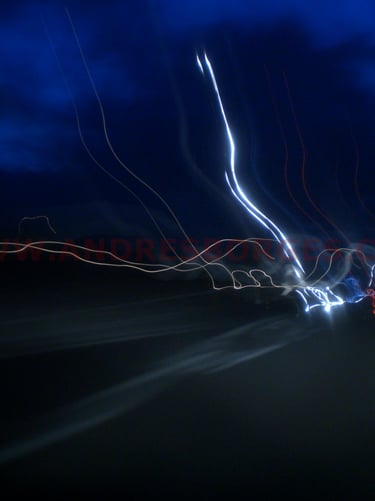
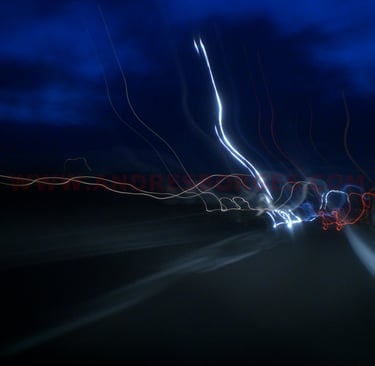
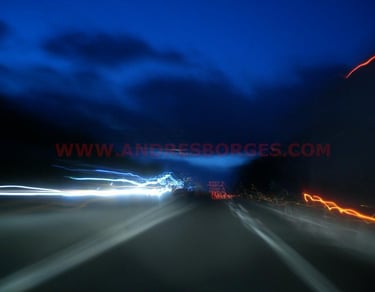
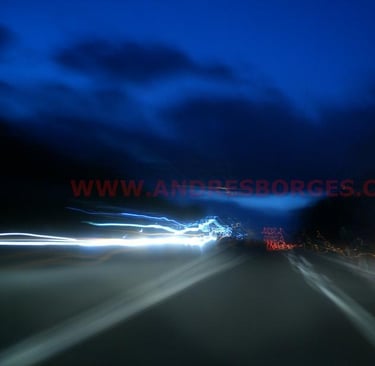
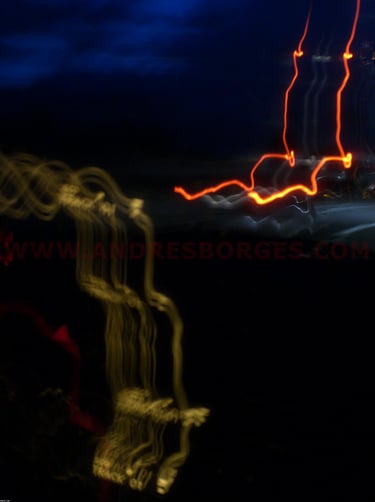
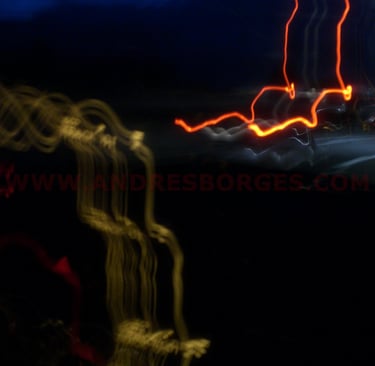
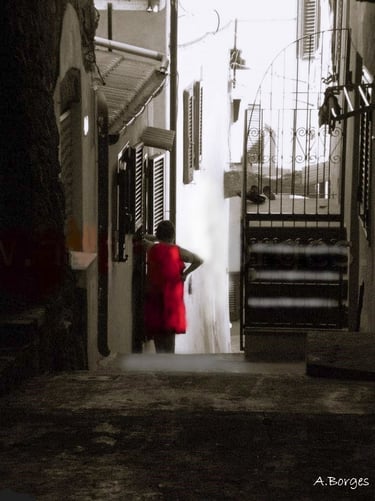
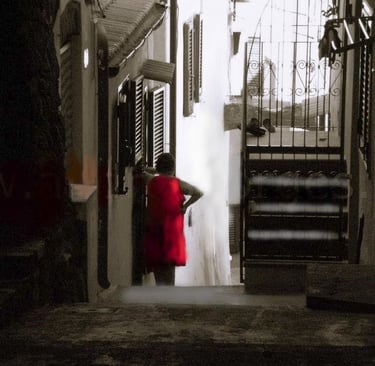
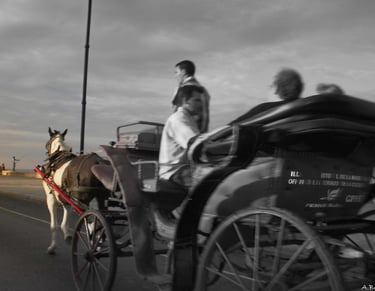
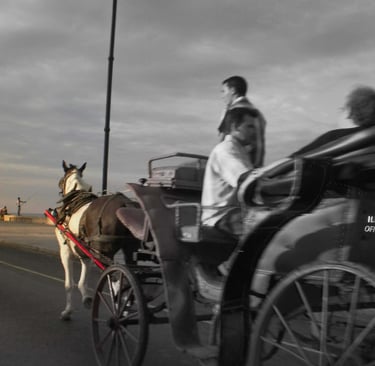
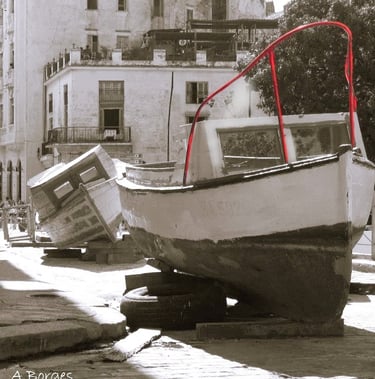
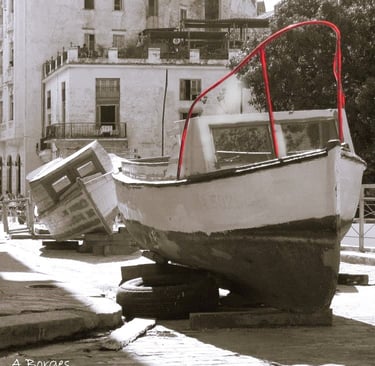
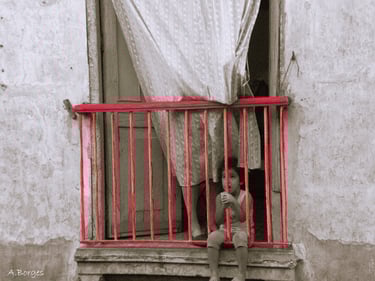
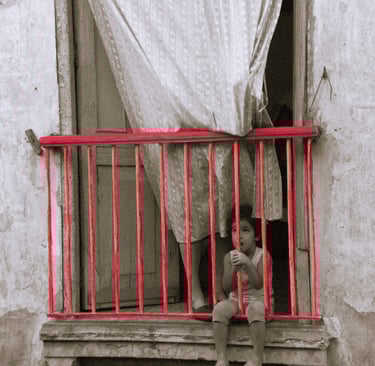
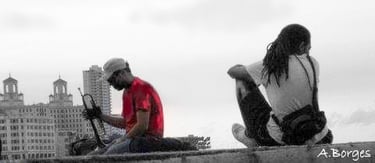
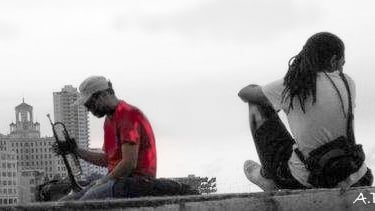
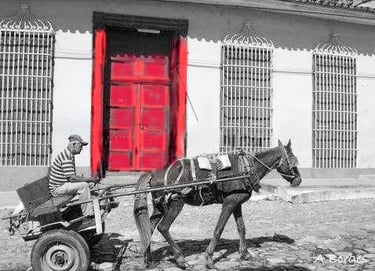
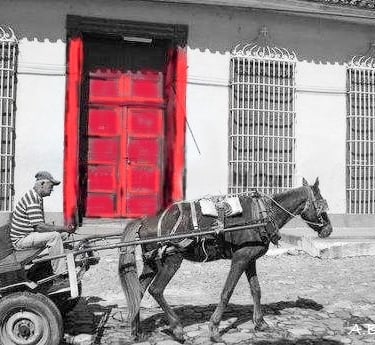
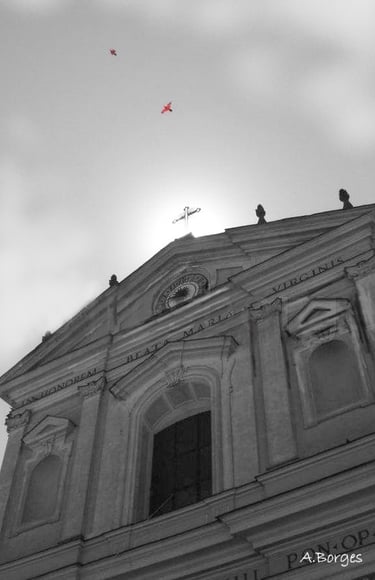
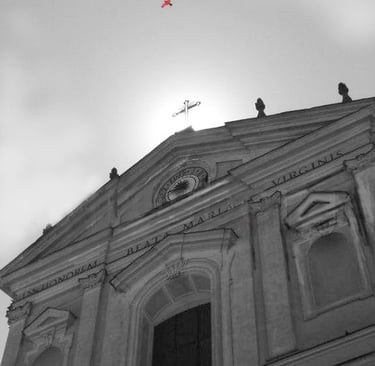
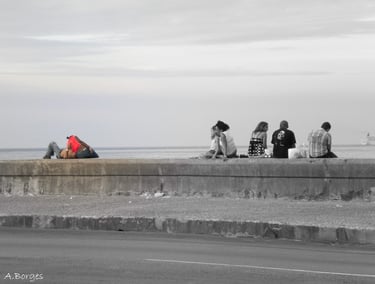
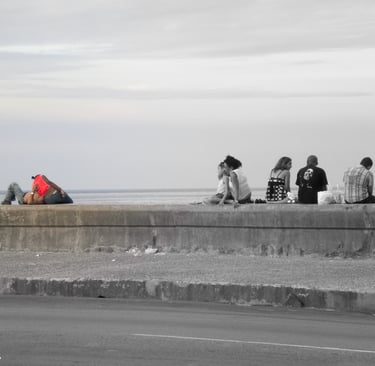
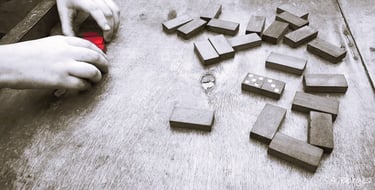
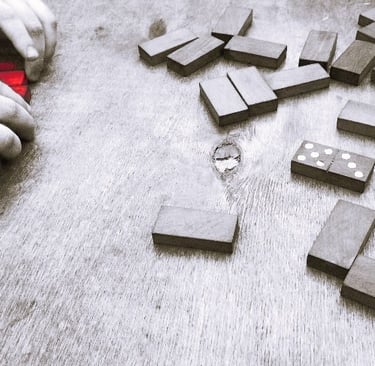
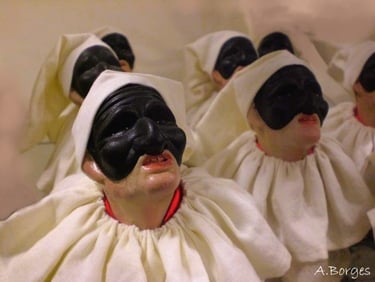
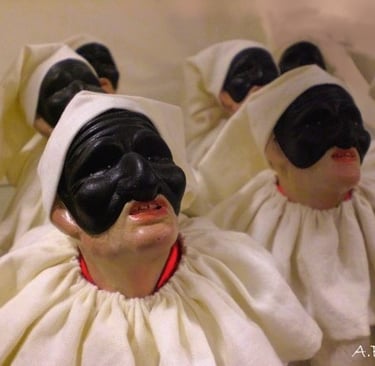
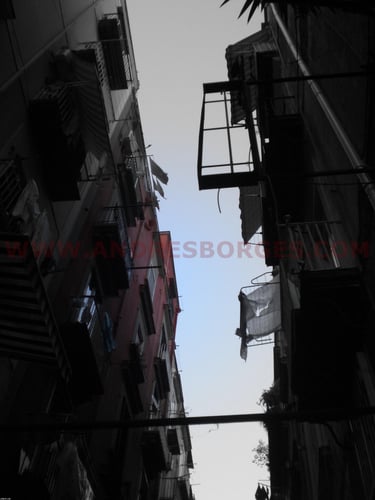
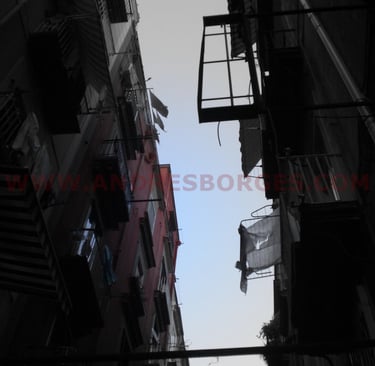
The expanded collection deepens an already compelling narrative—where photography becomes not just documentation, but a mirror of psychological states and societal undercurrents. With each frame, Andres Borges explores the tension between motion and stillness, identity and abstraction, presence and disappearance.
There is a chiaroscuro of emotion threading through the work: from the red-cloaked solitude of an alleyway to the kinetic blur of city lights, from the intimate ritual of a falling domino to the expressive distortion of the human form. These are not passive images—they are experiences in suspension, charged with symbolism and open-ended interpretation.
As a body of work, the photographs offer a visual lexicon that feels both personal and universal. They speak in metaphor, gesture, and silence—inviting the viewer into a space where truth and perception intermingle. Borges’s vision is unmistakably contemporary, yet echoes with timeless introspection: photography as poetry, where every shadow holds a story.